

MENU

0
0
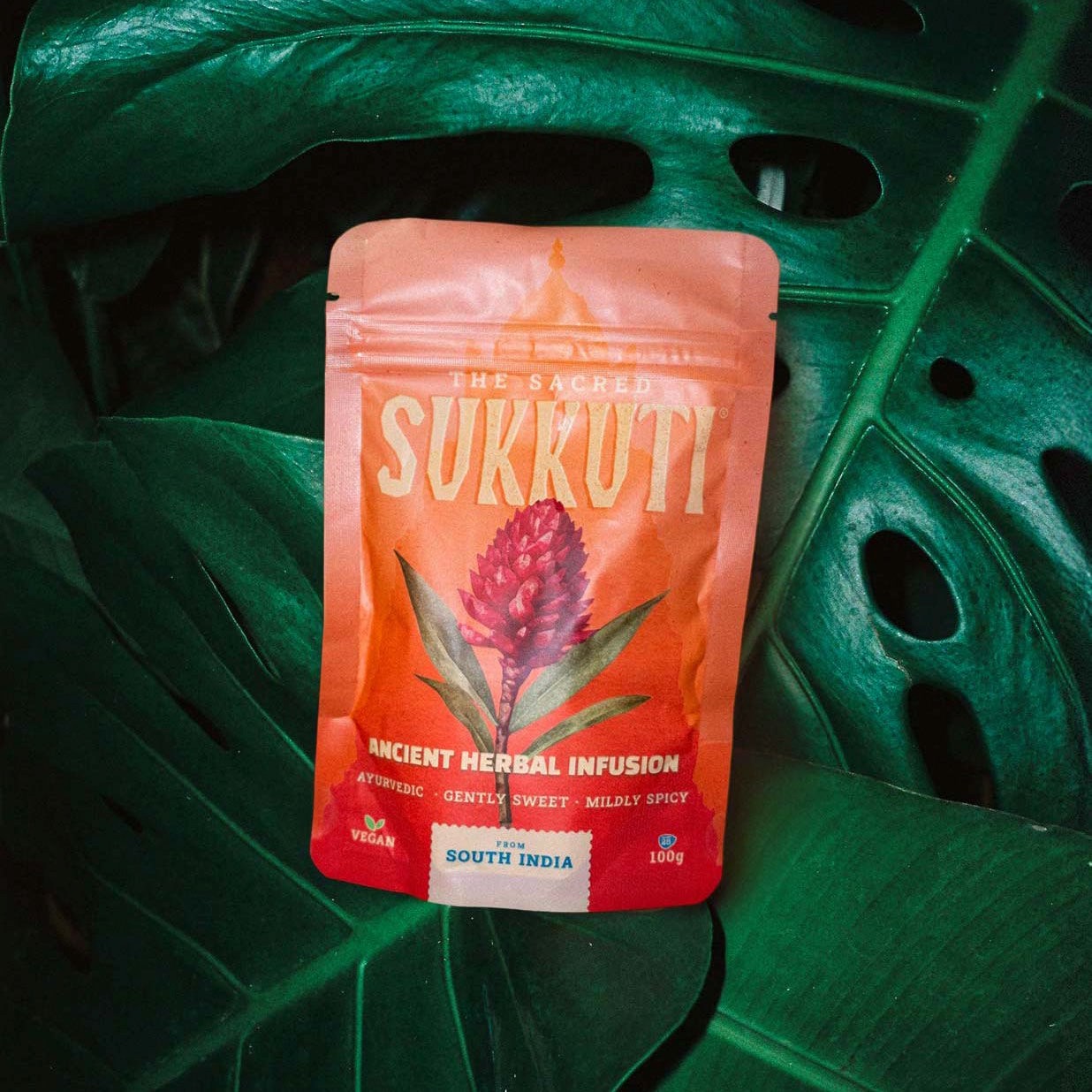



SACRED TRIPLE PACK!
SACRED TRIPLE PACK!
A natural infusion from South India, that features dried ginger, spices, and palm jaggary. The ingredients in Sukkuti are traditionally believed to offer relief from colds and flu, indigestion, tackling throat infections and fevers

VEGAN

GLUTEN FREE

75 SERVINGS
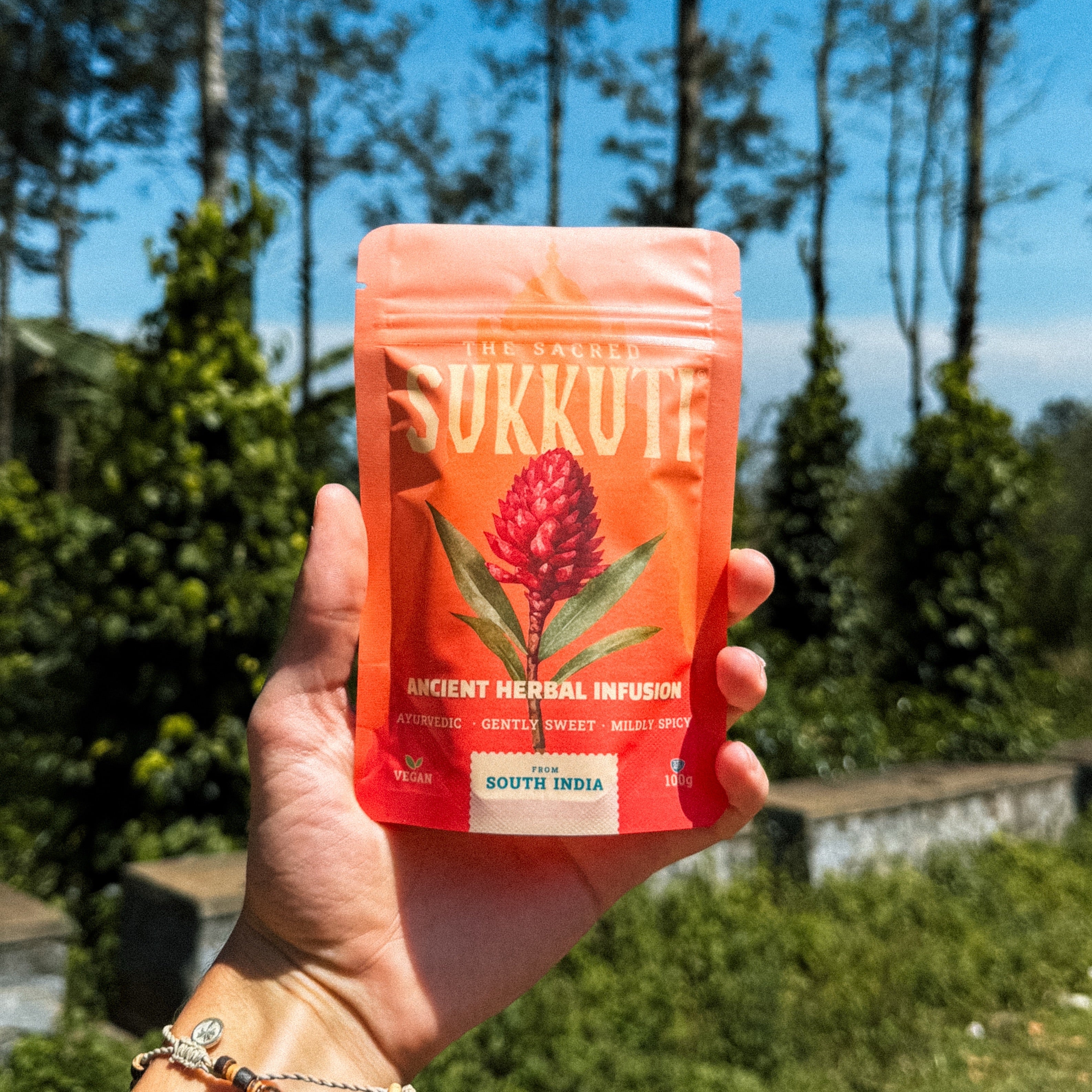
FREE DELIVERY IN SPAIN!

quantity
1
SACRED TRIPLE PACK!
A natural infusion from South India, that features dried ginger, spices, and palm jaggary. The ingredients in Sukkuti are traditionally believed to offer relief from colds and flu, indigestion, tackling throat infections and fevers
VEGAN
GLUTEN FREE
75 SERVINGS
FREE DELIVERY IN SPAIN!
quantity
1
SACRED TRIPLE PACK!
A natural infusion from South India, that features dried ginger, spices, and palm jaggary. The ingredients in Sukkuti are traditionally believed to offer relief from colds and flu, indigestion, tackling throat infections and fevers
VEGAN
GLUTEN FREE
75 SERVINGS
FREE DELIVERY IN SPAIN!
quantity
1
Whats in Sukkuti?
A traditional South Indian herbal infusion. Whole plants. Whole spices. Prepared with heat, water, and time. Nothing extracted. Nothing isolated. Nothing pretending to be something else. If it sounds like food, that’s because it is.
Where does it come from?
From grandma’s kitchens, not factories. Passed through generations in South India as a daily preparation. Kept simple. Repeated daily.
What’s actually in it?
Everything is listed in full. Scientific names. Plant parts. No surprises. Full ingredient list (exactly as printed on the package): Palm Jaggery (Borassus flabellifer, sap), Dried Ginger (Zingiber officinale, rhizome), Galangal (Alpinia officinarum, rhizome), Licorice (Glycyrrhiza glabra, root), Long Pepper (Piper longum, fruit), Amla (Phyllanthus emblica, fruit), Black Pepper (Piper nigrum, fruit), Coriander (Coriandrum sativum, seeds), Turmeric (Curcuma longa, rhizome), Fenugreek (Trigonella foenum-graecum, seeds), Holy Basil (Ocimum sanctum, leaves), Cardamom (Elettaria cardamomum, seeds), Ashwagandha (Withania somnifera, leaves), Garlic (Allium sativum, bulb), Dill (Anethum graveolens, seeds), Cumin (Cuminum cyminum, seeds), Gotu Kola (Centella asiatica, leaves). We print everything. So you can check. Research. Decide for yourself.
Is this a supplement?
No. No capsules. No extracts. No shortcuts. Its prepared and taken like whole food.
Why whole plants instead of extracts?
Because plants don’t like being stripped for parts. Extracts are precise. Whole plants are cooperative. Sukkuti wasn’t designed to hit a target. It was designed to be taken every day without your body arguing back.
How is it prepared?
Gently boil a cup of water in a pan. Add a teaspoon of Sukkuti [4g]. Let it boil together for minimum 3 to maximum 7 minutes. Drink warm. You can add milk or coffee for enhanced flavours.
Is this Ayurvedic medicine?
No. Sukkuti comes from Siddha medicine, a South Indian tradition that predates Ayurveda. It’s over 5,000 years old. Ayurveda later drew from Siddha, not the other way around. That said, Sukkuti lives closer to kitchens than clinics. Prepared at home. Taken regularly. Passed on because it kept working.
When should I drink it?
Once a day works for most people. In the morning, many drink it to start the day feeling more awake and settled. After meals, it’s traditionally taken to support digestion. In the evening, some people find it fits well with winding down. There’s no perfect timing. Just what works for you. Traditionally, when the body feels slightly off, early signs of a sore throat, heaviness, or general discomfort, it has been taken up to three times a day for a short period. Not as a treatment. As extra support. Then back to once a day.
Can i drink Sukkuti at night?
Yes. No caffeine or thine. Some ingredients may help in calm and relaxation.
Can I drink more than one cup?
Yes. Most people don’t feel like it. Which usually answers the question.
Does it contain caffeine or stimulants?
No caffeine. No stimulants. If you feel clearer, it’s not because you were pushed.
Is Sukkuti an Adaptogen?
Some herbs in Sukkuti, like ashwagandha, long pepper, and turmeric, are described as adaptogens in wellness traditions. Sukkuti combines these herbs that can be enjoyed as part of your daily ritual.
Can I add things to it?
Of course. Milk. Plant milk. Cacao. Nothing at all. This isn’t a ceremony with rules. It’s a preparation.
Is it safe to drink every day?
That’s how it’s traditionally been used. For over 5,000 years. Daily. Quietly. Without drama.
Who is Sukkuti for?
People who read ingredient lists. People who don’t rush things. People who like knowing what they’re drinking.
Who is it not for?
People looking for shortcuts. Or fireworks. Or loud promises.
Whats in Sukkuti?
A traditional South Indian herbal infusion. Whole plants. Whole spices. Prepared with heat, water, and time. Nothing extracted. Nothing isolated. Nothing pretending to be something else. If it sounds like food, that’s because it is.
Where does it come from?
From grandma’s kitchens, not factories. Passed through generations in South India as a daily preparation. Kept simple. Repeated daily.
What’s actually in it?
Everything is listed in full. Scientific names. Plant parts. No surprises. Full ingredient list (exactly as printed on the package): Palm Jaggery (Borassus flabellifer, sap), Dried Ginger (Zingiber officinale, rhizome), Galangal (Alpinia officinarum, rhizome), Licorice (Glycyrrhiza glabra, root), Long Pepper (Piper longum, fruit), Amla (Phyllanthus emblica, fruit), Black Pepper (Piper nigrum, fruit), Coriander (Coriandrum sativum, seeds), Turmeric (Curcuma longa, rhizome), Fenugreek (Trigonella foenum-graecum, seeds), Holy Basil (Ocimum sanctum, leaves), Cardamom (Elettaria cardamomum, seeds), Ashwagandha (Withania somnifera, leaves), Garlic (Allium sativum, bulb), Dill (Anethum graveolens, seeds), Cumin (Cuminum cyminum, seeds), Gotu Kola (Centella asiatica, leaves). We print everything. So you can check. Research. Decide for yourself.
Is this a supplement?
No. No capsules. No extracts. No shortcuts. Its prepared and taken like whole food.
Why whole plants instead of extracts?
Because plants don’t like being stripped for parts. Extracts are precise. Whole plants are cooperative. Sukkuti wasn’t designed to hit a target. It was designed to be taken every day without your body arguing back.
How is it prepared?
Gently boil a cup of water in a pan. Add a teaspoon of Sukkuti [4g]. Let it boil together for minimum 3 to maximum 7 minutes. Drink warm. You can add milk or coffee for enhanced flavours.
Is this Ayurvedic medicine?
No. Sukkuti comes from Siddha medicine, a South Indian tradition that predates Ayurveda. It’s over 5,000 years old. Ayurveda later drew from Siddha, not the other way around. That said, Sukkuti lives closer to kitchens than clinics. Prepared at home. Taken regularly. Passed on because it kept working.
When should I drink it?
Once a day works for most people. In the morning, many drink it to start the day feeling more awake and settled. After meals, it’s traditionally taken to support digestion. In the evening, some people find it fits well with winding down. There’s no perfect timing. Just what works for you. Traditionally, when the body feels slightly off, early signs of a sore throat, heaviness, or general discomfort, it has been taken up to three times a day for a short period. Not as a treatment. As extra support. Then back to once a day.
Can i drink Sukkuti at night?
Yes. No caffeine or thine. Some ingredients may help in calm and relaxation.
Can I drink more than one cup?
Yes. Most people don’t feel like it. Which usually answers the question.
Does it contain caffeine or stimulants?
No caffeine. No stimulants. If you feel clearer, it’s not because you were pushed.
Is Sukkuti an Adaptogen?
Some herbs in Sukkuti, like ashwagandha, long pepper, and turmeric, are described as adaptogens in wellness traditions. Sukkuti combines these herbs that can be enjoyed as part of your daily ritual.
Can I add things to it?
Of course. Milk. Plant milk. Cacao. Nothing at all. This isn’t a ceremony with rules. It’s a preparation.
Is it safe to drink every day?
That’s how it’s traditionally been used. For over 5,000 years. Daily. Quietly. Without drama.
Who is Sukkuti for?
People who read ingredient lists. People who don’t rush things. People who like knowing what they’re drinking.
Who is it not for?
People looking for shortcuts. Or fireworks. Or loud promises.